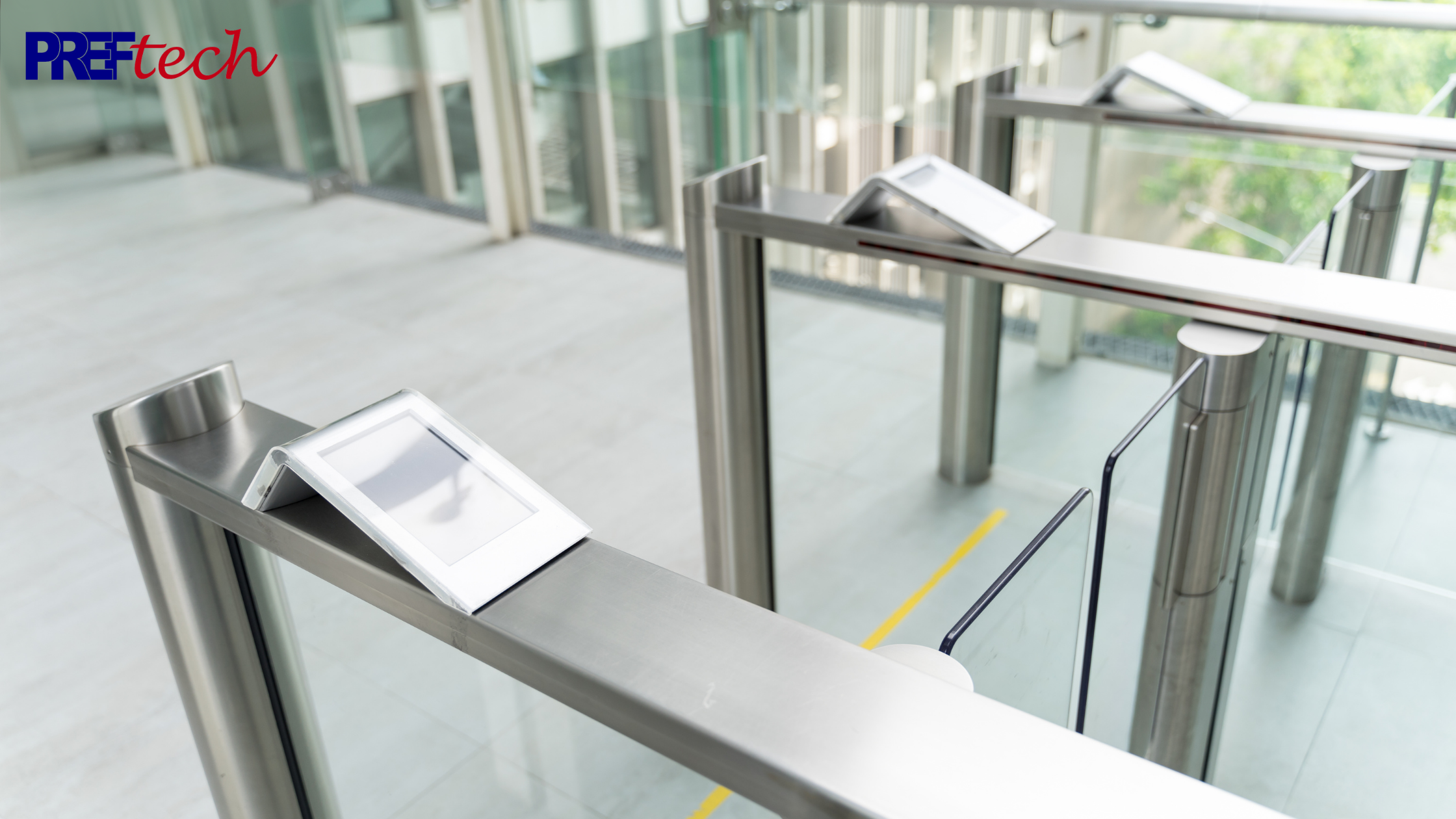
An access control system (ACS) is designed to manage who can enter specific areas of a facility and when they can do so. Modern access control systems use a combination of hardware, software, and credentials to secure people, property, and information.
Think about everyday examples of access control such as garage door openers, apartment call boxes, key cards, or toll road tags. While these systems vary in complexity, they all serve the same purpose: controlling access based on authorization.
Most organizations rely on two types of access control:
Physical access control regulates entry to buildings, rooms, gates, and other secured areas through devices such as card readers, mobile credentials, keypads, and electronic locks.
Logical access control limits access to digital resources such as applications, networks, and sensitive data. These systems authenticate users through passwords, security tokens, biometric verification, or multifactor authentication (MFA).
Today’s security strategies increasingly combine both physical and logical access control to create a layered approach to risk management. In this article, we’ll focus on physical security through electronic access control (EAC).
What Parts Make Up a Physical Access Control System?
A modern electronic access control system consists of several key components working together.
Access Control Software
The software serves as the brain of the system. Administrators use it to manage users, create access levels, define schedules, configure door groups, generate reports, and monitor alarms and events. Many modern platforms can be deployed on-premises, in the cloud, or through a hybrid architecture.
Door Controllers
Door controllers act as the decision-makers in the field. They receive information from readers and door devices, communicate with the software, and instruct doors to unlock or remain secure based on programmed permissions.
Credential Readers
Readers initiate the access control process by capturing a person’s credentials and sending that information to the controller for verification. Credentials may include:
- Key cards
- Mobile credentials on smartphones
- PIN codes
- Biometrics such as fingerprints or facial recognition
Electrified Locking Devices
Once authorization is granted, power is either applied to or removed from an electronic lock, depending on the lock type and security requirements. Common locking devices include electric strikes, magnetic locks, and electrified mortise locks.
Request-to-Exit (REX) Devices
Request-to-exit devices allow authorized occupants to leave secured areas safely. These devices may take the form of:
- Motion sensors
- Push buttons
- Touchless exit devices
- Integrated lock sensors
Door Position Switches
Also known as door contact sensors, these devices monitor whether a door is open or closed. They help detect door-forced and door-held-open conditions and provide valuable alarm monitoring information to operators.
What Are the Three Types of Authentication Factors?
Access control credentials generally fall into three categories:
Something you know:
Something you have:
- Access card
- Smartphone credential
- Security token
Something you are:
- Fingerprint
- Facial recognition
- Iris or retinal scan
Many organizations now use multifactor authentication (MFA), which combines two or more authentication factors to improve security.
How Does an Electronic Access Control System Work?
Electronic access control follows a simple process:
- A user presents a credential to a reader.
- The reader sends the credential information to a controller.
- The controller compares the credentials against authorized permissions.
- If access is approved, the door unlocks for a predefined period.
- If access is denied, the door remains secure and the event is logged.
Many modern systems also generate real-time notifications, audit trails, and reports that help security teams monitor activity across an organization.
What Are the Security Risks Associated with Access Control Systems?
Like any connected technology, access control systems must be properly designed, maintained, and protected.
Potential risks include:
- Stolen or shared credentials
- Weak password practices
- Outdated software or firmware
- Unsecured network connections
- Misconfigured permissions
A well-designed security program incorporates regular software updates, cybersecurity best practices, credential management policies, and ongoing system maintenance to reduce risk.
The Future of Access Control
Access control technology continues to evolve. Mobile credentials, cloud-based management platforms, artificial intelligence, and integrations with video surveillance and visitor management systems are changing how organizations secure their facilities. Learn about our modern technologies and partners here.
As compliance requirements and security expectations continue to grow, modern access control systems are becoming more intelligent, flexible, and easier to manage across multiple locations.
At its core, however, the goal remains the same: ensuring the right people have access to the right places at the right time.