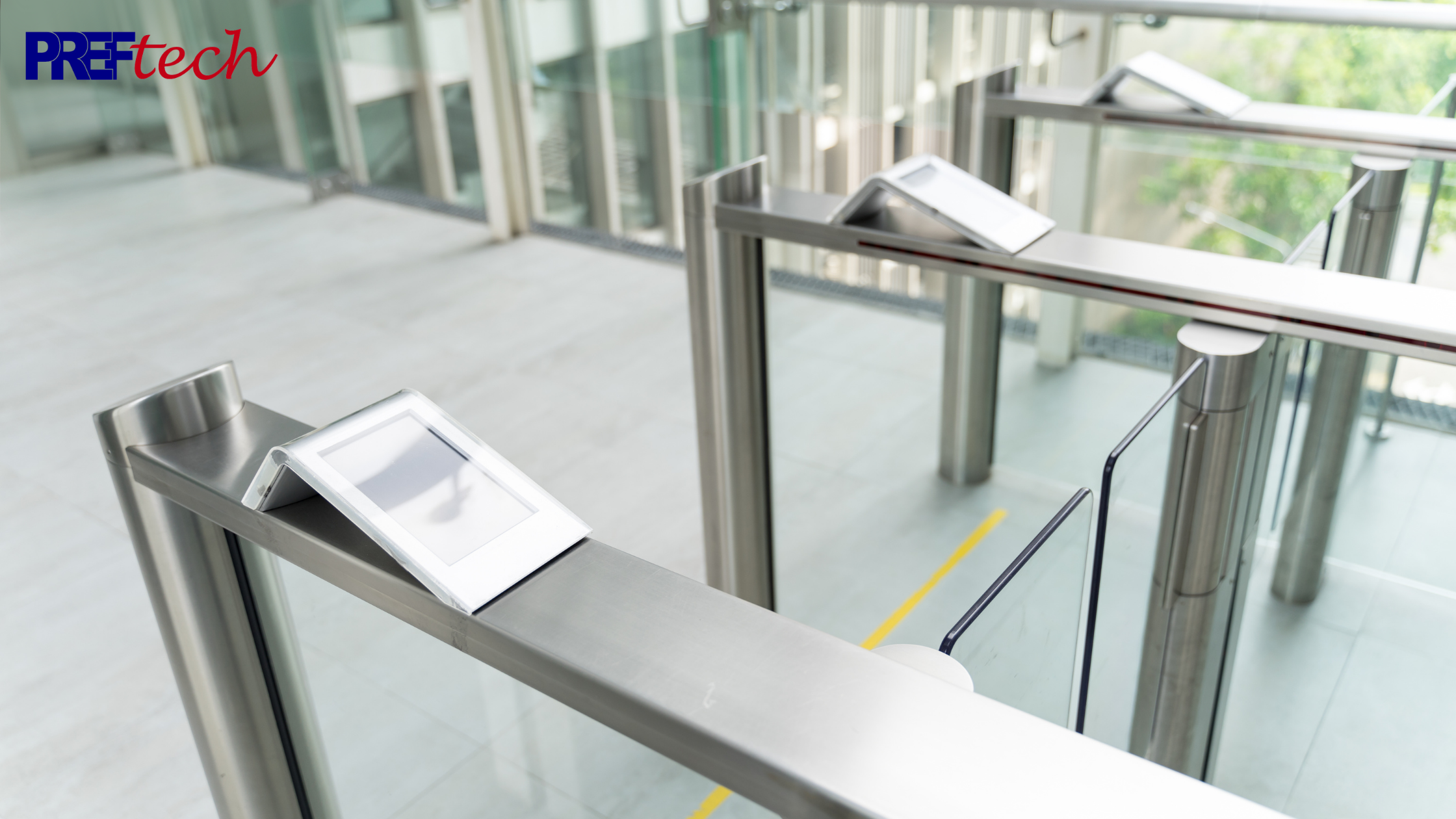
Your 2026 Guide
If 2025 was the year everyone experimented with new access technologies, 2026 is shaping up to be the year organizations finally make those technologies work together. The biggest gains won’t come from a single new gadget, but rather from integration. Whether it’s tying access control into visitor management and building systems or deciding what belongs on-prem vs. in the cloud, the value comes from connecting the dots.
1. Hybrid Cloud by Design
The “cloud vs. on-prem” debate is fading. Today, most organizations want a blend: keeping certain processes local for speed or compliance, while moving others to the cloud for scalability. For example, we’re seeing hospitals keep door controls on-site to ensure availability during internet outages, while shifting credential management and reporting to the cloud.
A knowledgeable integrator can walk your site, look at your existing panels and wiring, and help you decide what should move to the cloud now and what should wait. Instead of ripping out equipment that still has life left, they can build a phased plan that keeps your operations running smoothly while modernizing behind the scenes.
2. AI That Delivers Outcomes (Not Hype)
AI is everywhere right now – but in 2026, organizations are asking the question: “Is this actually helping my security team?” The real breakthroughs aren’t flashy, they’re practical. Think about an operator who no longer has to sift through thousands of door events because the system flags the unusual ones. Or a school district where AI automatically correlates an after-hours door alert with nearby camera footage.
A capable integrator doesn’t just “turn on” AI features. They fine‑tune them based on your building’s traffic patterns, false alarm history, and staffing levels. They also make sure alerts show up in one place, so your operators aren’t juggling three different dashboards when seconds matter.
3. Mobile Credentials Become the Default
Most people already use their phones to pay for groceries, check in for flights, and unlock their cars, so it’s no surprise mobile credentials are quickly replacing physical badges. In many cases, organizations have found that tailgating and door-hold behaviors decrease once people can “tap and go” without fumbling for a card, because the process feels faster and more convenient.
This kind of transition works best when an integrator ties everything together: syncing mobile credentials with HR systems, updating reader hardware in the right order, and training staff so they can support hundreds or thousands of users without frustration.
4. Touchless Access for Throughput and Compliance
Touchless access has evolved beyond just reducing surface contact, it’s now about speed and convenience, especially in busy buildings. Organizations are embracing touchless options – like wave-to‑open sensors, Bluetooth-enabled readers, and QR‑based entry – because they help people move through buildings more smoothly and reduce the bottlenecks that often cause security shortcuts.
A security integrator plays an important role in determining where touchless technology adds real value. They can evaluate high-traffic entryways, match the right touchless solutions to each environment, and fine-tune settings, so the system supports security policies instead of working against them.
5. Unified Platforms Replace Security Silos
Organizations are tired of juggling multiple dashboards that don’t talk to each other. When a facilities team gets an access alert but has to open a separate video system to see what happened, it slows everything down.
Unified platforms fix this, but the transition isn’t always plug-and-play. A seasoned integrator knows where the real issues are: misaligned data formats, legacy hardware that refuses to cooperate, and user roles that have grown inconsistent over time. They help clean up the mess, so your final system feels like one tool, not five stitched together.
6. Market Consolidation & Vendor Rebrands
If you’ve noticed familiar access control brands changing names lately, you’re not imagining things. Mergers, acquisitions, and product sunsets are happening across the industry. That means systems you evaluated last year may look completely different today.
Integrators act as a buffer here. They keep tabs on which manufacturers are innovating, which are being absorbed, and which are quietly phasing out product lines. That insight protects your investment and prevents you from choosing equipment that may not be supported five years from now.
7. ACaaS Continues Rapid Growth
More organizations are moving to Access Control as a Service, especially for multi-site operations where centralized management can simplify day-to-day tasks like issuing and revoking credentials or standardizing door schedules. By consolidating these functions in the cloud, teams often reduce manual handoffs and eliminate delays that used to come from shipping badges or coordinating changes across different locations.
But ACaaS only delivers on its promise when the architecture is designed carefully. A good integrator helps you decide what should remain local for resilience, confirms that your bandwidth can handle cloud operations, and secures the configuration so your data stays protected.
8. IoT & Smart Building Tie‑Ins
Today’s buildings are packed with sensors, from temperature and lighting to water detection and occupancy. Now these sensors are increasingly being tied into security platforms. For example, if a door is forced open after hours, lights might automatically turn on, the nearest camera begins recording at higher resolution, and the facilities team receives an alert, all without human intervention.
This level of automation only works when someone understands how to orchestrate the entire system. Integrators help choose realistic, valuable use cases and make sure all devices communicate securely and reliably.
Final Thoughts
The 2026 access control landscape rewards organizations that think in terms of ecosystems rather than individual components. Hybrid cloud, mobile credentials, AI, and unified platforms can all deliver enormous benefits, but only when they’re implemented with a plan.
If you’re exploring partners, look for a security integrator who can translate these trends into a roadmap tailored to your environment, risk profile, and long-term strategy. At Pref-Tech, we design and support integrated security systems built for real-world conditions using open architectures, trusted vendor partnerships, and training that empowers your team long after installation.